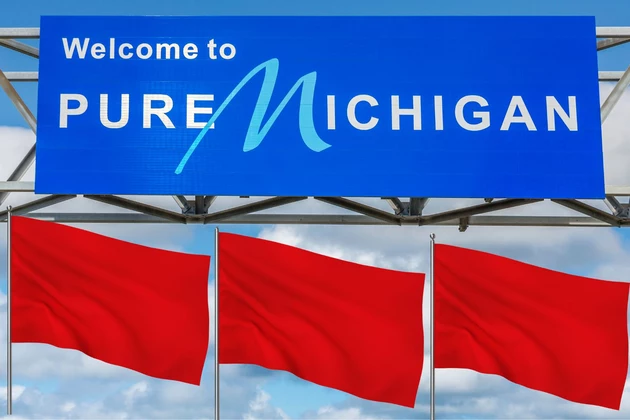

Michigan: A State of Contrasts and Considerations
Michigan is a place of striking contrasts. With its breathtaking Great Lakes, dense forests, and vibrant cities, it offers an abundance of natural beauty and cultural experiences. Yet for all its charms, the state comes with its own set of challenges that prospective residents and visitors need to consider before making the move. In this editorial, we take a closer look at the tricky parts of living in Michigan, its weather extremes, and even its local cultural quirks—ensuring that you have a balanced picture of what to expect.
As you prepare for a potential relocation or plan your next visit, you’ll find that there’s much to love in Michigan. But beware: beneath the scenic vistas and affordable living, there are a host of tangled issues that may require a fair amount of planning and resilience. So, let’s dive in and poke around the many twists and turns of life in Michigan.
Understanding Michigan’s Weather Extremes and Seasonal Challenges
One of the most critical factors to consider when thinking about moving to Michigan is its unique weather. Here, residents experience the full spectrum of seasons—from hot, humid summers to brutal, snow-laden winters that can last from October all the way to April.
Michigan Winter Survival Tips for New Residents
Winter in Michigan is not for the faint of heart. With subzero temperatures, heavy snowfall, and frequent snowstorms, just getting around can feel overwhelming to those unaccustomed to such conditions.
- Cold-Weather Preparedness: Invest in high-quality winter clothing. From insulated coats to sturdy boots, your gear is essential for managing these chilling months.
- Driving Dilemmas: The icy roads, punctuated by persistent potholes and ongoing road construction, mean that local drivers become experts at figuring a path through the most intimidating driving conditions.
- Mental Health Considerations: The long, dark winter months can also lead to seasonal depression. Make sure to seek out ways to stay connected and active during these gloomy months.
How to Beat the Winter Blues in Michigan
While some may call Michigan winters nerve-racking, others have turned the season into an opportunity to enjoy winter sports, community gatherings, and even the beauty of a snow-cloaked landscape. Here are some strategies for turning winter’s challenges into a positive experience:
- Embrace Winter Recreation: Activities like skiing, snowboarding, and ice fishing are popular and provide a great way to appreciate the season’s beauty.
- Community Events: Engage in local festivals and winter-themed events that help lift the spirits and foster community connections.
- Indoor Hobbies: With long hours indoors, take up hobbies that keep you active—whether that’s reading, cooking, or exploring local art.
Road Realities: Construction, Potholes, and Car Insurance Costs
Michigan’s roadways are infamous for being down and out. If you’re planning on living in Michigan, you’ll quickly learn to get around the ever-present potholes and construction zones that dot the state. While many residents take these challenges in stride as just another one of Michigan’s quirks, newcomers might see them as a constant source of irritation.
Making Your Way Through Michigan’s Road Construction Maze
One of the most complex bits of life here involves learning to steer through myriad construction projects that seem to be underway at any given time. Whether you’re commuting in the city or driving through the countryside, the roads are frequently marred by patchy repairs and large potholes.
- Plan Ahead: Use navigation apps that indicate road construction areas and detours, so you can figure a path that minimizes extra time on the road.
- Patience is Key: Understand that this is a part of the local experience. Steady and cautious driving is essential for safe travel.
Navigating High Car Insurance Rates in Michigan
Michigan consistently ranks among the highest when it comes to auto insurance rates in the United States. This is a point that many prospective residents find overwhelming. The state’s unique no-fault insurance system, combined with the unpredictable weather and road conditions, contribute to these upticks in premiums.
| Factor | Impact on Insurance |
|---|---|
| No-Fault Insurance Laws | Higher premiums due to mandatory coverage |
| Road Conditions | Increased claims drive up cost |
| Weather Extremes | Frequent accidents lead to higher rates |
Natural Encounters and Environmental Considerations
Michigan’s natural landscape is a double-edged sword. On one hand, it gifts you with pristine lakes, vast forests, and abundant wildlife. On the other, residents must deal with the less desirable aspects of nature, such as aggressive deer populations, allergy-inducing pollens, and dangerous rip currents in its Great Lakes.
Wildlife Woes: Dealing with Overabundant Deer
One of the more unexpected challenges of living in Michigan is the frequent encounter with deer, particularly during dawn or dusk. These animals are practically everywhere, sometimes leaping out in front of your car, which can make driving feel like a nerve-racking game of chance.
- Defensive Driving: Always be on alert, especially in rural or wooded areas where deer are common.
- Community Alerts: Pay attention to local news and community bulletins that often report on wildlife activity during peak seasons.
Allergy Season: The Hidden Complexities of Pollen and Mold
For those who suffer from seasonal allergies, Michigan can present a challenging environment. During the spring and fall, when tree pollen and mold levels are high, residents battling allergies may find that routine outdoor activities turn into a battle against sneezing and congestion.
- Medication and Precautions: Consult with your healthcare provider about preventive allergy medications and treatments.
- Indoor Alternatives: Consider investing in high-quality air purifiers and keeping windows closed during peak allergy times.
Understanding Rip Currents in the Great Lakes
While Michigan’s lakes are generally safe for swimming—being free of salt and dangerous marine life—rip currents are a genuine hazard. These powerful water movements can surprise even experienced swimmers, transforming a leisurely day at the lake into a life-threatening situation.
- Swim in Designated Areas: Always choose designated swimming areas where lifeguards are present and conditions are monitored.
- Learn Water Safety: Familiarize yourself with the signs of rip currents and understand basic water rescue techniques.
Local Culture and the Subtle Details of Michigander Identity
Beyond the weather and environmental challenges, Michigan has a rich cultural identity that is both endearing and fiercely defended by its residents. From the rivalry between the University of Michigan and Michigan State University to debates over the best style of chili and pizza, these fine points of local identity can be as inviting as they are intimidating to outsiders.
Regional Dialects and Local Lingo: A Primer on Michigander Speech
Michiganders are proud of their heritage and often showcase this through distinctive speech patterns and expressions. Whether it’s the way one pronounces “Mackinac” or a casual “ope” when brushing past someone on the sidewalk, these small distinctions serve as informal badges of honor—and often as quick tests of local authenticity.
- Mackinac Pronunciation: Locals know it as “Mackinaw,” a subtle detail that might seem trivial, but is considered super important among native Michiganders.
- Local Terms for Soft Drinks: Instead of “soda,” residents call it “pop,” a linguistic twist that sets the local dialect apart from other regions.
- Expressions of Courtesy: The informal “ope” is not only a way to apologize but a cultural marker that reveals one’s regional upbringing.
Sports Rivalries: The Heartbeat of Michigan’s Community Life
Sports play an essential role in Michigan’s cultural fabric. With local teams that generate fervent support and dramatic heartbreak in equal measure, the sports scene is a cornerstone of community identity. Whether you’re a die-hard Detroit sports fan or a supporter rooting for college teams, the intensity of local sports rivalries is a defining feature of the state.
- Detroit’s Sports Saga: Love them or loathe them, the ups and downs of Detroit sports teams are a recurrent topic of spirited conversation around town.
- College Rivalries: The heated debate between Michigan State University and the University of Michigan is passed down through generations, with every game reigniting the competitive spirit among residents.
Local Foods and Regional Specialties: A Culinary Journey
Michigan’s culinary scene is as unique as its weather. The state offers an array of specialties that evoke both pride and passionate debate among locals. Whether it’s contrasting the merits of Detroit-style pizza against Chicago deep-dish or the subtle differences in chili recipes from Flint versus Detroit, food here is more than nourishment—it’s a point of identity.
- Detroit-Style Pizza: With its crisp edges and saucy center, Detroit-style pizza is celebrated by natives and is frequently touted as far superior to other regional varieties.
- Regional Chili: Differences in chili recipes between cities like Flint and Detroit aren’t just about taste—they’re about tradition and community pride.
- Local Beverages: A mention of Faygo or even the historic Vernors ginger ale instantly signals that you’ve found a part of Michigan’s hidden culinary treasures.
Economic and Social Factors: Weighing the Pros and Cons
For many, the decision to move to Michigan is significantly influenced by economic factors. While the cost of living in many parts of the state is competitive compared to other regions in the United States, there are a few economic challenges that are full of problems and should be considered seriously.
The High Price of Mobility: Auto Insurance and Transportation Costs
As discussed earlier, Michigan’s car insurance rates are among the steepest in the nation. The combination of high premiums, extensive repair work due to the state’s challenging road conditions, and the no-fault insurance system, make transportation a significant point of concern.
- Budgeting for Daily Commutes: Expect to allocate a good portion of your budget toward insurance alone. Research multiple providers and consider bundling policies to cut costs.
- Vehicle Maintenance: With roads that are constantly under repair, your vehicle may require more frequent maintenance, so factor that into your transportation budget.
Cost of Higher Education: Tuition and State Schools
Another economic issue that potential residents should keep in mind is the expense of higher education. Michigan’s tuition fees for in-state students are generally higher than those in many other parts of the country, making college and university education a significant financial commitment.
- Scholarship Opportunities: Investigate scholarship programs and state financial aid options that can help offset these costs.
- Community Colleges: Remember that community colleges in Michigan offer a more affordable alternative for those looking to continue their education without incurring overwhelming debt.
Job Market and Employment Dynamics in Michigan
Michigan’s job market has its fair share of opportunities and challenges. Although the state has a rich history in manufacturing and automotive industries, the economic landscape is changing. Unemployment may be relatively low overall, but many people still find themselves wrestling with finding stable, well-paying work in certain areas.
- Industry Shifts: As traditional industries evolve or relocate, there is a steady demand for new skills in technology, healthcare, and renewable energy.
- Relocation Considerations: Depending on where you live in Michigan, job opportunities may vary significantly. Urban centers like Detroit and Grand Rapids offer more options, while rural areas may struggle with job diversity.
Local Identity and Community Perspectives: A Balancing Act
The debate over what it means to be a “true Michigander” is a conversation that transcends simple pride. It encompasses local customs, dialect, and even seemingly trivial observations that nonetheless represent fine shades of identity. When you find yourself in discussions about the state’s best foods or proper pronunciations, you’re getting into the very heart of community sentiment.
Spotting the Real Michigander: Telltale Signs in Daily Life
There are several markers that reveal whether someone is truly at home in Michigan. These range from the way they refer to everyday items to their knowledge of local geography and cultural practices. While some of these signs might appear to be small distinctions, they are often taken very seriously by born-and-raised residents.
- Local Terminology: Using “pop” instead of “soda” and greeting someone with a casual “ope” are clear signals of an authentic Michigander.
- Geographical Acumen: Knowing the correct pronunciation of local landmarks like Mackinac Island—and how to describe the drive to the Upper Peninsula—shows a deep, lived understanding of the state.
- Weather Resilience: The ability to handle fluctuating temperatures, from chilly 65-degree days that prompt a light coat to snowstorms that keep the roads in constant repair, is a hallmark of local toughness.
The Role of Sports and Local Rivalries in Shaping Identity
Let’s not forget the spirited debates surrounding Michigan’s sports scene. Whether it’s a longstanding rivalry or passionate support for the local teams, sports are more than just a pastime—they’re an essential part of daily conversation and community bonding.
- Team Allegiances: The pride in local teams, be they professional or college-based, runs deep. Mentioning a favorite team and betting on games is almost a rite of passage, even if it comes with inevitable heartbreak.
- Seasonal Festivities: Sports events in Michigan provide periodic relief from the everyday challenges of weather and road construction, uniting communities across the state in shared celebration and occasional disappointment.
The Pros and Cons: Weighing Michigan’s Attractions Against Its Challenges
Moving to Michigan can be a dream come true for those who appreciate natural beauty, tight-knit communities, and an affordable cost of living. However, it is crucial to be honest about the state’s less charming attributes. From extreme weather and relentless road construction to high auto insurance and higher education costs, the potential pitfalls are as real as the state’s scenic wonders.
Things People Love About the Great Lakes State
Despite the red flags, there is a lot to love about Michigan. For many residents, the state is a well-balanced blend of nature, community, and vibrant local culture. Here are some of the points that capture Michigan’s allure:
- Year-Round Outdoor Adventures: With an endless array of lakes, parks, and trails, Michigan is a haven for outdoor enthusiasts who enjoy hiking, boating, camping, fishing, and skiing.
- Diverse Cultural Experiences: From exploring the historic charm of small towns like Frankenmuth to experiencing the contemporary art and music scene in metropolitan hubs, Michigan offers something for everyone.
- Community Sports Spirit: The passion for local sports teams fosters a strong sense of community pride and camaraderie among residents.
- Natural Landscapes: The majestic Great Lakes, changing fall foliage, and rolling farmlands remind residents daily why they love their state.
Things People Hate About Michigan
No state is without its downsides, and Michigan is no exception. Many people express frustration with some of the persistent challenges that affect day-to-day living in the state:
- Relentless Road Construction: The notion that Michigan has only two seasons—winter and construction—captures the exasperation of residents who face crumbling roads and potholes as a regular part of life.
- Unpredictable Weather: The swift transition from sunny skies to sudden snow or rain can leave residents constantly on edge, having to keep a close watch over daily weather reports.
- High Auto Insurance Premiums: The elevated cost of car insurance can strain personal budgets and dampen the enthusiasm for driving in challenging conditions.
- Economic Pressures: From the high costs of college tuition to the shifting job market, economic conditions in Michigan sometimes create additional hurdles for residents.
Michigan Roadmap: Tips for Prospective Residents
If you’re considering a move to Michigan, being fully informed about both the appealing and challenging aspects of the state is key. Here are some practical tips to help you work through the unique bits of life in Michigan:
- Research Local Areas: Whether you’re looking for urban excitement in Detroit or a more relaxed pace in smaller communities, make sure to evaluate the local culture, amenities, and commuting challenges.
- Budget Wisely: Take into account factors such as high auto insurance and fluctuating utility costs, especially if you’re not accustomed to harsh winters.
- Prepare for Weather Extremes: Invest in quality winter gear, have an emergency roadside kit, and consider signing up for local weather alerts.
- Engage with the Community: Attend local festivals, join community groups, and get involved in neighborhood activities. This will help you quickly acclimate and appreciate the hidden complexities that make Michigan unique.
Getting a Handle on Daily Life in Michigan
Living in Michigan means learning to get around both literal and figurative twists and turns. Daily life here involves a blend of patient navigation through snowy roads, adapting to sudden shifts in weather, and acquiring an ear for local dialect and customs. It may take a little longer to figure a path that suits your lifestyle, but many eventually find that Michigan’s joys far outweigh its challenges.
Consider these strategies as you take your first steps into life in the Great Lakes State:
- Plan for Contingencies: Snow days, unexpected road closures, and sudden weather shifts can happen without warning. A flexible schedule and a reliable mode of transportation are indispensable.
- Establish a Local Network: Connect with local residents who can offer insights and practical advice on everything from the best winter grocery stores to safe driving practices during ice storms.
- Embrace Change: Accept that Michigan’s challenges are as much a part of its identity as its scenic beauty and cultural traditions. Over time, you’ll find that the state’s hidden complexities become manageable quirks that add character to your daily experience.
A Closer Look at Michigan’s Community and Lifestyle Essence
It’s not just about the weather and the roads—Michigan’s lifestyle offers a unique blend of outdoor adventure, community spirit, and cultural depth. These elements create a dynamic environment where residents learn to balance challenges with deep-rooted local pride.
Building a Community in the Mitten State
Whether you’re new to the area or a lifelong Michigander, the role of community cannot be overstated. From neighborhood events to local sports gatherings, the sense of unity is one of the state’s most distinguished features. Here’s how you can be a part of that community:
- Join Local Clubs and Organizations: There are countless groups dedicated to outdoor activities, arts, sports, and even local history. These clubs are a great way to meet people and get embroiled in local tradition.
- Volunteer: Many communities in Michigan thrive on the input of volunteers, whether it’s for local festivals, community clean-ups, or supporting local businesses during tough seasonal shifts.
- Support Local Businesses: Enjoy local eateries, craft breweries, and stores that are often the hub of community interaction. This fosters local pride and strengthens the communal bond essential for thriving in a state with such a robust regional identity.
Living with the Natural Wonders Around You
Michigan’s natural environment serves as both a playground and a daily reminder of the state’s rugged charm. The plentiful lakes, dense woodlands, and scenic trails are accessible year-round and offer ample opportunities to immerse yourself in the outdoors.
- Outdoor Recreation: From kayaking on the Great Lakes to hiking in one of the many state parks, each season brings a new way to enjoy nature’s bounty.
- Seasonal Transitions: The transformation of landscapes with each passing season is not just beautiful—it’s a chance to see different facets of Michigan’s charm. Experience the vibrant colors of autumn foliage, the serene beauty of winter whiteouts, and the refreshing bloom of spring.
- Local Conservation Efforts: In many areas, there is a strong emphasis on preserving natural habitats. Participating in local conservation projects can be a rewarding way to contribute to the community while enjoying the outdoors.
Final Thoughts: Balancing Beauty and Challenges
Ultimately, Michigan is a state of balance—a place where the elegance of nature meets the rough-and-tumble reality of living in a region with constant construction, unpredictable weather, and occasional economic hurdles. Whether you’re a nature lover enthralled by untamed lakes and forests or someone who thrives on the hustle of urban life, Michigan offers a complex blend of both sides.
For those considering the move, it’s super important to weigh both the advantages and the challenging bits. Yes, the roads can be a mess, the winters can seem endless, and even your insurance rates might give you pause—but you also gain access to incredible natural vistas, a strong sense of community, and a unique culture that takes pride in every “ope” and “pop” uttered in everyday conversation.
Is Michigan Right for You? A Personal Reflection
Deciding to move to Michigan is a personal choice that depends on your priorities and lifestyle preferences. As with any place, there are rough patches to navigate, but many residents express that their love for the state outweighs its challenges. The tricky parts—be it the overwhelming winter or the constant road fixes—are tempered by the deep-rooted sense of local pride and a vibrant cultural scene that makes everyday life interesting.
Spend some time visiting different parts of the state: take a leisurely drive along scenic routes, chat with locals about their experiences, and try out the local specialties. Before you know it, what once seemed intimidating might become familiar, and the very challenges that deterred you at first could soon feel like unique parts of Michigan’s character.
Weighing the Pros and Cons: A Quick Reference
Below is a handy table summarizing the key pros and cons of living in Michigan—ideal if you’re trying to figure a simple path through all the twists and turns of the decision-making process.
| Aspect | Pros | Cons |
|---|---|---|
| Natural Environment |
|
|
| Weather |
|
|
| Infrastructure |
|
|
| Local Culture |
|
|
| Economic Considerations |
|
|
Conclusion: Embracing Michigan with Open Eyes
Michigan is a state that defies simple definition. Its natural beauty, diverse communities, and rich traditions offer a fulfilling life for those willing to embrace its unique challenges. The state demands resilience when it comes to its harsh winters, demanding roads, and economic twists and turns. But for many, these challenges become part of the charm—a reminder that beauty and struggle often coexist.
If you’re prepared to manage your way through the confusing bits and embrace the subtle parts of a climate and culture that is both vibrant and on edge, then Michigan might just be the place for you. While the rumors of constant construction and high insurance rates may give some pause, the welcoming spirit of local communities and the ever-changing natural landscapes provide a counterbalance that many find irresistible.
Before deciding to call Michigan home, take the time to get into the details—talk to those who live there, explore the outdoors, and immerse yourself in its unique culture. In doing so, you might find that the challenges, while occasionally overwhelming, are far outweighed by the warmth and authenticity of a state that proudly wears its contradictions on its sleeve. After all, the ability to appreciate both the good and the not-so-good is at the heart of every great journey.
In the end, whether you decide to dive into the Michigan experience or simply admire it from afar, understanding both the scenic highs and the challenging lows is super important. Living in Michigan is like navigating through a rich tapestry interwoven with striking landscapes, hard-won community spirit, and a relentless drive to overcome the state’s inherent challenges. By acknowledging these elements, you can better appreciate what makes Michigan one of the most uniquely intriguing places in the country.
So, if you’re on the fence, remember: every state has its quirks. Michigan’s red flags are merely reminders of the state’s living, breathing character—a constant evolution that challenges you to find your own path through its winter storms, rugged roads, and spirited communities. And for those brave enough to call it home, Michigan offers a rewarding life that is both authentic and full of unexpected beauty.
Originally Post From https://wgrd.com/ixp/694/p/reasons-not-move-michigan/
Read more about this topic at
Michigan Republicans push ‘red flag’ gun law repeal
Michigan ERPO Information