Spring’s Early Days in the Great Lakes: A Season of Change and Opportunity
The first week of spring in the Great Lakes region promises a blend of excitement and unpredictability, as nature reawakens with a mix of mild temperatures, sudden chills, and plenty of outdoor charm. In this opinion editorial, I share my personal insights on what to expect from nature’s early show and how to make the most of every twist and turn that the season offers.
Spring’s arrival in the Great Lakes is a time where the natural world is bursting with life and energy. However, as many avid travelers and recreation enthusiasts can attest, this season is also full of tricky parts and tangled issues when it comes to understanding the weather. No longer are the days predictable, and even if the forecasts promise pleasant afternoons and crisp mornings, Mother Nature can always throw a curveball in the form of sudden temperature drops or unexpected storms.
Understanding Temperature Swings and Spring Weather Dynamics
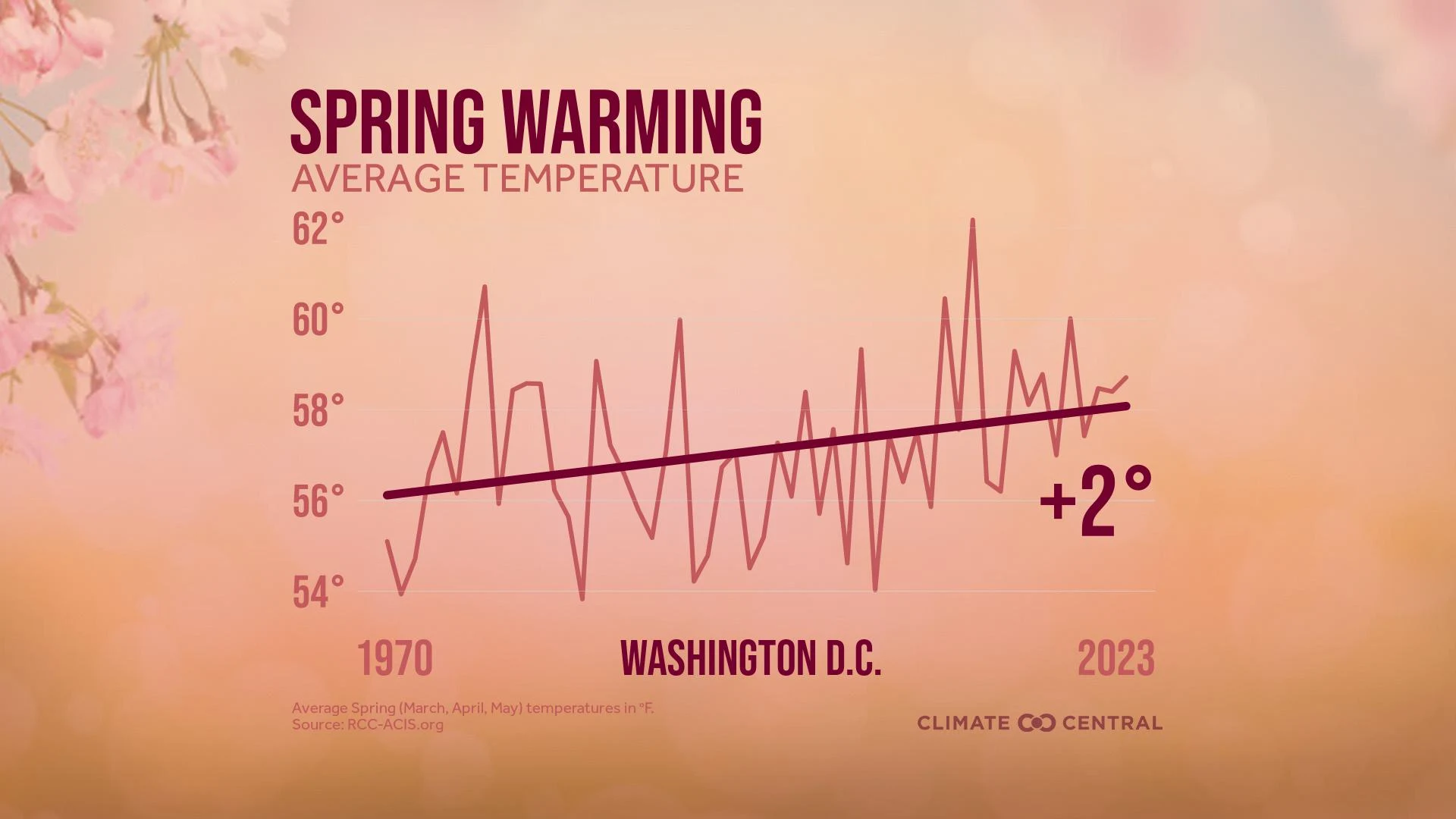
One of the most captivating aspects of early spring is the dramatic changes in temperature that seem to oscillate throughout the day. Early mornings may greet you with a frosty chill, while the sun’s warmth can quickly take hold by midday. This dynamic interplay of warmth and cold is a reminder of nature’s inherent unpredictability in the transition from winter to summer.
In my many years of observing the Great Lakes’ environmental cues, I have come to appreciate the small distinctions between a typical winter day and those rare, magical spring moments. It isn’t just the difference in degrees on the thermometer that signals a change; rather, it’s the overall experience—a mix of fresh breezes, the rustle of emerging leaves, and the gentle hum of awakening wildlife.
How Great Lakes Weather Patterns Affect Outdoor Adventures
For outdoor enthusiasts, the early spring season can be both a blessing and an intimidating challenge. The enticing promise of crisp air, scenic trails, and idyllic lakeside views can sometimes be overshadowed by nerve-racking weather moods. Temperatures can dip unexpectedly, meaning that hikers, bikers, and paddlers must always be well-prepared for a wide range of conditions.
It is helpful to keep a few key points in mind when planning your spring escapades:
- Layer Up: Dressing in layers is one of the most effective ways to manage the unexpected temperature drops. A lightweight sweater paired with a windbreaker or waterproof jacket can make a world of difference.
- Stay Updated: Make your way through the weather by frequently checking satellite and radar forecasts. These tools provide near-real-time updates that can help you decide when to venture outdoors or hold off until conditions improve.
- Choose Flexible Activities: Opt for leisure pursuits that allow you to adapt to changing weather conditions. Whether it’s a leisurely lakeside walk or an invigorating bike ride along scenic roads, having a flexible itinerary is key.
By preparing thoughtfully, the frustrating bits of unpredictable weather become less of an obstacle and more of an additional layer of excitement in your outdoor journey.
Tracking the Great Lakes: Satellite and Radar Insights
Among the essential tools for any traveler in the Great Lakes region is the modern convenience of satellite and radar imagery. These technologies provide a literal window into the state of our environment, allowing you to plan your day with an informed perspective about upcoming weather shifts.
Using satellite and radar can help you:
- Spot Emerging Weather Patterns: Look out for the movement of cold fronts and warm air masses, which can help you predict both localized showers and unexpected clouds.
- Monitor Lake Conditions: The temperature and surface conditions of the Great Lakes can be particularly volatile during early spring. Observing these changes can give you clues about the best times for water-based activities.
- Plan Your Route: Whether you are driving along the coast or heading further inland, having a bird’s-eye view of the weather patterns assists you in finding the smoothest route.
The utility of satellite and radar tracking is an often underappreciated part of preparing for a spring adventure. These tools illustrate not only current conditions but also help you figure a path through potential hazards such as sudden gusts or unexpected showers.
Utilizing Technology: A Closer Look at Weather Apps
Modern weather applications are packed with features that go beyond your regular temperature and forecast readings. Many incorporate high-resolution radar and satellite imagery to help you track those subtle details in the sky that might indicate a rapid weather shift. Below is a basic table outlining some of the features you might expect:
| Feature | Description |
|---|---|
| High-resolution Radar | Provides real-time tracking of precipitation, storms, and other weather-related events. |
| Satellite Imagery | Offers a broader view of cloud coverage and weather patterns over the Great Lakes region. |
| Real-time Alerts | Immediate notifications if severe weather is forecast or if conditions change rapidly. |
| Temperature Trends | Tracks both historical and forecasted shifts in temperatures. |
These are super important tools for safely enjoying the early spring season. The more data you have, the better you can plan your day—helping you avoid those nerve-racking moments when a sudden storm might catch you unprepared.
Preparing for the Unpredictable: Tips for a Successful Spring Outing
When it comes to spring outings, good planning is the cornerstone of success. The early days of spring offer a fine balance between reawakening nature and the inherent chaos that accompanies a seasonal transition. Here are several strategies to ensure that your adventures are as enjoyable as they are safe:
Layering and Dressing Smartly
One of the simplest yet most effective ways to prepare for fluctuating conditions is by opting for a layered wardrobe. As temperatures swing dramatically during the day, layering allows you to add or remove clothing as needed:
- Base Layers: Lightweight, moisture-wicking materials are best for starting your day with comfort.
- Middle Layers: A fleece or light sweater can provide that extra warmth during colder periods.
- Outer Layers: A quality waterproof and wind-resistant jacket is crucial for those unexpected showers or gusty winds.
This approach let you adjust quickly, ensuring that you remain comfortable even when the temperature takes an unexpected dive. Not only does this help you enjoy your outdoor activities more fully, but it also allows you to focus on the little twists and turns that make each spring outing unique.
Staying Flexible with Your Schedule
The unpredictable nature of spring weather means that your plans might need to change on the fly. Flexibility is your friend. Instead of committing to an entire day of one activity, consider planning several options so you can quickly switch gears if expected conditions change suddenly.
Here are some ideas to maintain flexibility:
- Break your day into segments: Reserve your mornings for outdoor adventures and leave your afternoons open for either new explorations or indoor activities if needed.
- Combine activities: Consider destinations that offer both outdoor experiences and sheltered amenities—like lakeside cafes or small local museums.
- Keep backup plans: Be ready to move from a planned hike to a scenic drive if the weather pivots unexpectedly.
This strategy ensures that every moment of your day remains enjoyable and free from the stress that can come from rigid scheduling, especially when dealing with the extra layers of complexity that early spring brings.
Embracing the Outdoor Spirit Amid Weather Challenges
Even with all preparations in place, nature occasionally surprises us with its nerve-racking variability. Yet, it is precisely these moments that add to the thrill of outdoor adventures. The Great Lakes provide a scenic backdrop that is as mesmerizing on a breezy day as it is on a sunny afternoon.
For many travelers, the unpredictable elements of spring are not just obstacles but opportunities. Each unexpected shower or temperature dip can breathe a new life into your experience, urging you to appreciate the raw beauty of nature in its most natural form. Embracing each twist and turn with a spirit of adventure can transform any outing into a story worth telling.
Spotlighting Off-the-Beaten-Path Activities
Spring welcomes a variety of outdoor pursuits that might otherwise be overlooked during the more comfortable summer months. Consider these ideas for making the most of the season:
- Early Morning Bird Watching: As the day slowly warms up, many bird species emerge with surprising activity. Bring your binoculars and a bird guide, and you may witness rare sightings among the wetlands near the lakes.
- Photography Expeditions: The interplay of shadows, the glisten of dew on budding foliage, and the crisp light of early spring create a canvas that is simply irresistible to photographers.
- Lakeside Walks and Meditations: The quiet moments when the lake’s surface reflects a sky in transition offer a unique form of solace—a time to simply enjoy nature’s unpredictable poetry.
These activities also let you enjoy the subtle details of nature—each ripple on the water, every gust of wind that sends a flurry of leaves scattering. What might seem like a slight difference in weather conditions can, in fact, set the stage for some of the most memorable experiences of your spring journey.
The Role of Community and Local Insights
While technology offers a window into the wider world, nothing beats the local knowledge when it comes to planning for the unpredictable. Communities around the Great Lakes are full of seasoned residents and long-time adventurers who have learned to figure a path through the seasonal madness over the years.
Talking to locals can provide insights that go beyond what you’ll see on a weather app. Here are a few ways you can tap into this valuable resource:
- Visit Local Outdoor Shops and Centers: These places often have up-to-date information on trail conditions and weather quirks, along with recommendations for the best times to venture out.
- Engage with Regional Online Forums: Many communities have social media groups or dedicated forums where people share live updates, tips, and local weather warnings.
- Attend Local Events: Farmers markets, community fairs, and local festivals not only offer a taste of regional culture but also serve as excellent venues for gathering practical advice on what to expect during this transitional season.
Local wisdom provides a personalized touch that even the finest technology cannot match. While a radar image gives you the big picture, a seasoned local can tell you which roads might be slick from an overnight frost or which trails will be muddier than usual due to unexpected rain.
Building a Comprehensive Spring Outing Checklist
To help you get started with your spring adventures around the Great Lakes, consider the following checklist that combines both technological tools and local advice:
- Check the latest satellite and radar reports before heading out.
- Speak with local shop owners or guides about trail or lake conditions.
- Layer your clothing appropriately to handle shifting temperatures.
- Prepare backup plans and flexible itineraries for the day.
- Pack an emergency kit that includes basics like a first aid kit, extra snacks, and water.
- Keep a printed map or offline navigation option on your phone in case of spotty cellular coverage.
- Monitor local weather alerts throughout the day to adjust your plans if needed.
By ensuring that you have a robust plan in place, you can minimize the risk of getting caught off guard by those unpredictable bits while maximizing your chances to enjoy the great outdoors in comfort and safety.
Finding Beauty in the Unexpected: A Personal Reflection
The early spring season around the Great Lakes has always held a special place in my heart. I fondly recall mornings when, just hours after a cold dawn, the sun would beam through lingering clouds, bathing the shoreline in radiant light. These moments, however fleeting, are a reminder that nature’s beauty often lies in its unpredictability. The changing skies, the gentle breeze that carries the scent of damp earth, and the delicate interplay of light and shadow all combine to create a spectacle that is uniquely spring.
When you step into the Great Lakes region during this time, you are not just experiencing a change in weather—you’re taking the wheel in an emotional and sensory journey. Every gust of wind, every shift in temperature is a call to appreciate how life adapts. Rather than seeing these moments as complicated pieces that make planning a burden, view them as an essential part of the story. It is within these twists and turns that you’ll uncover hidden complexities and discover a deeper appreciation for a season that embodies both renewal and challenge.
As someone who has long admired the natural beauty of the Great Lakes, I encourage all travelers and outdoor enthusiasts to step outside, embrace the uncertainty of early spring, and let yourself be transformed by the essence of change. Even if you find the unpredictable weather a bit off-putting at first, you may soon learn that it is this very variability that sparks creativity, fosters resilience, and makes every adventure a unique chapter in your travel diary.
Engaging with the Environment: Stories from the Field
Through my travels across the Great Lakes region, I’ve encountered moments where seemingly overwhelming weather conditions turned into some of my most cherished memories. Let me share a few anecdotes that highlight how embracing the weather can lead to extraordinary experiences:
- The Frosty Sunrise: One early spring morning, I woke up to a brilliant sunrise over Lake Superior. Despite the lingering chill and a quick dip in temperatures, the morning light transformed the frost-covered landscape into a sparkling panorama. That day, I took a brisk walk along a quiet shoreline, feeling a thrill with each gust of wind that gently nipped at my cheeks—an experience that reinforced my love for the natural, unfiltered beauty of the season.
- An Impromptu Lakeside Picnic: On another day, unexpected clouds rolled in just as I planned a small picnic by the lake. Rather than canceling the outing, I embraced the moment, setting up a cozy shelter with my portable umbrella and enjoying a meal that was both refreshing and spontaneous. My experience taught me that flexibility and a positive outlook can turn even a potentially nerve-racking situation into a memorable adventure.
- The Misty Afternoon Walk: There was also a day when a sudden drop in temperature brought an unexpected mist across the water. Instead of feeling overwhelmed, I decided to take a quiet walk along a wooded trail bordering the lake. The soft, diffused light and the gentle rustling of leaves created an atmosphere of serene contemplation—a reminder that sometimes the best moments in life come from embracing the little surprises that nature offers.
Each of these stories underscores a simple truth: while early spring in the Great Lakes region is undoubtedly full of challenges, its unpredictable nature is also part of its charm. It is in managing your way through these conditions, with both careful planning and a spirit of adventure, that you discover the real joy of travel.
Looking Forward: The Long-Term Outlook for Spring Exploration
As we continue to welcome spring, one cannot help but wonder how this season will shape our broader approach to outdoor adventures in the coming years. With changing weather patterns and a greater reliance on digital weather forecasting, the Great Lakes region remains not only a destination of scenic beauty but also a natural laboratory for understanding our dynamic environment.
Looking ahead, several trends seem poised to influence spring exploration in the region:
- Enhanced Weather Technology: Advances in satellite imaging and radar technology will continue to provide more detailed and accurate information, making it easier for travelers to plan outings with confidence.
- Increased Emphasis on Sustainability: As more people venture into the outdoors, the push for preserving natural habitats and promoting sustainable tourism grows. Expect to see more initiatives aimed at protecting the delicate ecosystems around the Great Lakes while still offering breathtaking adventures.
- Community-Led Initiatives: Local communities are becoming increasingly active in sharing real-time updates and organizing events that celebrate the synergy between nature and culture. These grassroots efforts ensure that even as global weather patterns shift, the local charm and resilience of the Great Lakes remain strong.
For those long-time fans of the season, this outlook offers something to be excited about—a blend of tradition, technology, and community that enriches every spring outing. Whether you are an avid hiker, a casual observer, or someone looking to rediscover your love for nature, the early spring season in the Great Lakes provides a multifaceted experience that is as layered as it is refreshing.
Practical Advice for Long-Term Explorers
If you’re planning a series of adventures in the Great Lakes throughout the spring, here are some critical strategies to consider for a smooth journey:
- Invest in Quality Gear: High-quality, weather-appropriate gear is super important. Prioritize items that offer both durability and flexibility, especially when dealing with sudden weather shifts.
- Commit to Continuous Learning: Stay updated with new environmental trends and local community insights. Attend workshops, join local nature groups, and keep an eye on emerging technologies that can enhance your explorations.
- Engage with Fellow Travelers: Building a network of like-minded people not only improves your travel experience but also offers diverse perspectives on handling unpredictable weather conditions.
- Review and Adapt: After each outing, take a moment to reflect on what worked well and what could be improved next time. This continuous feedback loop will enhance your ability to figure a path through future challenges.
By integrating these practices, you turn every excursion into an opportunity not only to enjoy the Great Lakes but also to learn and grow as an explorer. Every day in early spring is a chance to build new memories, supported by both your experience and the latest in specialized weather tools.
Conclusion: Cherishing Every Moment of Spring’s Early Magic
In conclusion, the first week of spring along the Great Lakes is much more than simply a shift in temperature—it is a period of transformation, uncertainty, and ultimately, inspiration. Whether you’re eyeing the radar updates, planning a spontaneous lakeside picnic, or simply taking a reflective walk amid the early glow of spring, each day offers countless opportunities to discover hidden beauty in the unclear and sometimes intimidating play of nature.
My hope is that this editorial inspires you not just to observe the changes in weather, but to embrace them wholeheartedly. Treat these early days as a metaphor for life—full of twists and turns, where the most memorable experiences often arise from the unexpected. With the right preparation, a flexible mindset, and an appreciation for both technological insights and local wisdom, you can transform what might seem like complicated pieces of weather into a delightful, ever-changing tapestry of outdoor experiences.
As we step into the burgeoning warmth of spring, let every unexpected shower, every sudden burst of sunshine, and every crisp, cool morning serve as an invitation to explore, learn, and grow. The Great Lakes region, with its vast, changing landscape and spirited community of local experts and enthusiasts, stands ready to welcome you into a season that is as unpredictable as it is beautiful.
So, pack your bags, check your weather apps, have a quick chat with a local guide, and most importantly, enjoy every moment of your journey. Embrace the nerve-racking unpredictability, for it is these moments that teach us, inspire us, and connect us to the vibrant heart of nature.
Remember, spring in the Great Lakes is a celebration of life’s constant state of renewal and the timeless dance between the known and the unexpected. By appreciating every subtle detail—from the way cold mornings give way to warm afternoons to the visual spectacle provided by the interplay of clouds and sunlight—you enrich not only your own experience but also deepen your connection with the natural world. Let this season remind you that while the weather may sometimes be a bit twisty and off-putting, every challenge is also an opportunity waiting to be discovered.
In the end, successful travel during this unique time relies on two essential ingredients: a preparedness that covers the literal weather and an open heart that is ready to celebrate the hidden, unpredictable complexities of nature. Step out, take a closer look at the great outdoors, and allow yourself to be transformed by the season. The Great Lakes in early spring is more than just a destination—it’s a living, breathing canvas painted by unpredictable weather and vibrant natural beauty. Enjoy the masterpiece as it unfolds before your eyes.
Happy travels and safe adventures to all those who seek to find beauty amidst the seemingly chaotic symphony of early spring in the Great Lakes region.
Originally Post From https://cnycentral.com/news/local/gallery/first-week-of-spring-will-have-some-ups-and-downs-with-temperatures?photo=2
Read more about this topic at
Are spring temperature swings hurting your health? Yes, …
Change in weather pattern coming after start of spring