
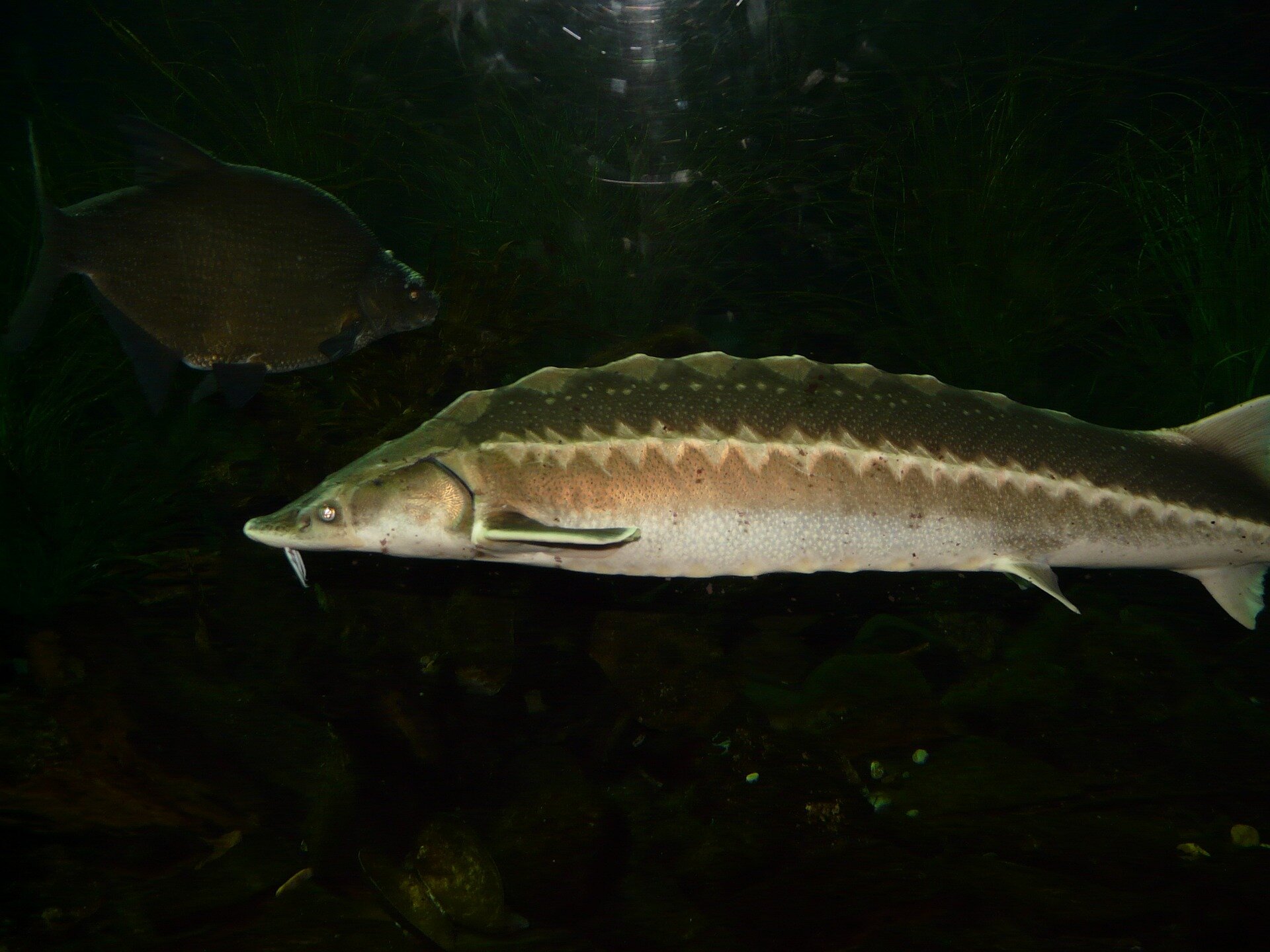
Reviving a Native Treasure: The Return of Lake Sturgeon to Michigan Waters
The revitalization of the lake sturgeon population in Michigan’s Saginaw River system is more than just an environmental success story—it’s a symbol of hope, community effort, and the delicate balance between nature and human actions. The recent release of native sturgeon, reared at the Genoa National Fish Hatchery and sourced from the waters of lower Lake Huron, marks not only the reintroduction of a species that once thrived but also a renewed commitment to restoring natural habitats disrupted by overfishing and habitat loss.
In this in-depth opinion editorial, we take a closer look into the revived legacy of the lake sturgeon, exploring its historical significance, the challenges involved, and the community’s role in steering through this complex process. We also dig into the broader implications for conservation among local waterways and share personal reflections on what this means for the future of outdoor recreation and environmental stewardship in Michigan.
Historical Context: The Legacy of Michigan’s Lake Sturgeon
Lake sturgeon have long been a keystone species in the Great Lakes ecosystem. Historic records reveal that these ancient fish inhabited vast stretches of Michigan’s lakes and rivers. Growing up to 7 feet long and weighing as much as 300 pounds, these majestic creatures once dominated the waterways. However, their journey has been anything but smooth. Overfishing combined with the widespread destruction of their rocky spawning reefs set off a dramatic decline that left this species struggling to survive.
Reintroduced back into their native ranges, lake sturgeon represent the resilience inherent in nature. Yet, it wasn’t a straightforward task. Many in the conservation world recognize the tricky parts, tangled issues, and overwhelming challenges involved in restoring a species with such slow reproductive rates—beginning only at the age of 15 to 20 years.
Overcoming Long-Held Misconceptions
One of the interesting subtopics in the revival of the lake sturgeon is the public’s changing perception. Once seen solely as a resource for commercial gain, there is now a greater appreciation for the ecological role these fish play. This shift in understanding took community outreach, extensive educational campaigns, and a willingness to confront lingering, nerve-racking doubts about whether restoring the population was too intimidating a feat.
The lake sturgeon’s revival helps demystify many of the misunderstood aspects about native species restoration. By taking a closer look at the historical context, one can appreciate not just the ecological but also the cultural significance of these fish. The reintroduction is a testament to the successful collaboration between federal, state, and local organizations, all working together to overcome the hidden complexities of wildlife conservation.
Community Involvement: Uniting for a Common Cause
The sturgeon release event held on September 20 was a celebration of collective determination. Local community members and various conservation partners came together at several key locations along the Saginaw River system—the Tittabawassee River, Shiawassee River at Cole Park, Flint River from Paddlers’ Landings, and the Cass River in Frankenmuth. Each of these sites was carefully chosen to reflect a part of Michigan’s rich aquatic heritage.
Events That Empower Local Voices
The public ceremonies, hosted by respected organizations such as the Chippewa Nature Center, Friends of the Shiawassee River, Flint River Watershed Coalition, and the City of Frankenmuth, have proven that conservation can be a community-centered endeavor. These gatherings not only offer a platform to celebrate nature’s resilience but also serve as opportune moments for education and collaborative planning.
During the events, community members engaged in the following activities:
- Learning about the lifecycle and habits of lake sturgeon
- Understanding the benefits of reintroducing native species to restore ecological balance
- Exploring ways to support ongoing and future conservation projects
- Participating in fun, family-friendly activities that promote outdoor recreation and environmental awareness
Wisdom passed down through generations and the enthusiasm of younger participants combine to create an inclusive approach that addresses the tangled issues of conservation head-on, making them less intimidating and more approachable.
Conservation Efforts: Strategies and Tactics
The reintroduction of the lake sturgeon is the result of years of structured, careful planning, and diligent execution. Since 2017, multiple partners have been involved in restoring these fish to their native habitats. To date, more than 7,000 sturgeon have been reared and released into local waters—a milestone that highlights the power of coordinated conservation strategies.
Key Conservation Strategies in Action
Upon closer inspection, several core strategies come to the forefront when managing your way through the challenges of preserving such a unique species:
- Habitat Restoration: Restoring the natural rocky reefs and riverbeds that serve as spawning grounds for lake sturgeon.
- Community Engagement: Organizing public events that educate and inspire local residents to protect and respect their waterways.
- Scientific Research: Monitoring sturgeon populations, tracking their health, and gaining insights into their behavioral patterns to adjust conservation efforts effectively.
- Inter-agency Collaboration: Coordination between federal agencies like the U.S. Fish and Wildlife Service and local conservation groups to pool resources and knowledge.
These efforts are supported by intricate logistical planning, vital communication channels, and constant follow-up to ensure that each released sturgeon has the best chance for survival. The meticulous planning and structured implementation reveal that even when facing nerve-racking problems, community and organizational diligence can clear the way forward.
Behind the Scenes: Raising Public Awareness and Education
One of the key factors driving the success of the sturgeon reintroduction project has been an unwavering commitment to education and public awareness. A major challenge in ecological restoration is the need to change public mindsets and empower citizens with the knowledge to care for their natural surroundings.
Engaging Educational Initiatives
Conservation groups and local entities have worked together to develop educational programs that break down the often complicated pieces of ecological science into digestible, relatable content. Their efforts cover:
- Workshops in schools and community centers where the lifecycle and significance of the lake sturgeon are explained using interactive tools.
- Public service announcements that help residents understand how their local actions affect the river ecosystem.
- Detailed brochures and online resources—like saginawbaysturgeon.org—that shed light on the project’s progress, milestones, and future plans.
- Citizen science initiatives where local volunteers contribute to tracking fish movements, thereby playing a hands-on role in research.
By breaking down the fine points of sturgeon ecology into simple, intuitive lessons, these programs make the restoration efforts more accessible. They ensure that even those unfamiliar with the twists and turns of ecological management can find their path toward being active conservationists.
Local and Global Implications: A Broader Perspective
The story of the lake sturgeon in Michigan isn’t an isolated part of wildlife restoration—it resonates with larger environmental themes worldwide. Across the globe, similar challenges manifest in ecosystems that are full of problems from human interference, climate change, and loss of biodiversity. Particularly in regions where local communities depend on natural resources for their livelihoods, the broader implications of such projects can be transformative.
Global Conservation Models and Community Involvement
When we take a closer look at conservation projects around the globe, many share similarities with the sturgeon initiative. International conservation efforts emphasize:
- Sustainable Resource Management: Learning from past mistakes, communities aim to find a balance between commercial use and preservation. The lake sturgeon, once exploited, now stands as a vibrant example of what careful management can achieve.
- Community-Driven Action: Across continents, the most successful initiatives are those in which local stakeholders have a strong voice. By embracing community input, projects can better address the confusing bits of policy, funding, and public perception.
- Interdisciplinary Collaboration: From federal agencies to local NGOs and academic institutions, successful conservation relies on working through the complicated pieces of interagency partnerships. Collaboration ensures each contributor brings their expertise to the table.
In many ways, restoring the lake sturgeon is part of a larger, interconnected web of conservation efforts that span borders. It demonstrates how, through careful planning, education, and resourceful management, communities can figure a path toward a healthier, more sustainable future for all living beings—both human and aquatic.
Recreational and Economic Benefits of a Restored Ecosystem
Beyond environmental impacts, a thriving lake sturgeon population contributes to the local economy and enhances outdoor recreation opportunities. Anglers, nature enthusiasts, and eco-tourists are all drawn to vibrant ecosystems where native species are rebounding with vigor.
Boosting Outdoor Recreation and Local Tourism
Reintroducing these ancient fish is not just about conservation—it’s about reconnecting with nature and boosting local economies. The restoration project paves the way for several benefits:
- Fishing and Angling Opportunities: While the lake sturgeon requires special handling and protection due to their slow-maturing nature, their presence attracts both recreational and scientific interest. Guidelines have been put together to ensure that fishing activities, where allowed, are sustainable and do not harm the young populations.
- Eco-Tourism: Nature walks along the riverbanks, guided wildlife tours, and interactive exhibits focused on the sturgeon’s lifecycle have the potential to attract visitors from across the country. Local businesses can offer themed tours, educational experiences, and specialty gear to support these activities.
- Economic Resurgence: As tourism grows, the revenue generated can be channeled back into conservation and community initiatives. This creates a positive feedback loop where environmental health directly benefits local residents.
Moreover, the revival of this iconic species instills pride in local heritage, rekindling the bond between residents and the natural world. It reminds communities that protecting nature is not an off-putting or intimidating mission, but a necessary step for sustaining a multifaceted, thriving local culture.
Lessons Learned: The Road to Success and the Road Ahead
The rejuvenation of the lake sturgeon in the Saginaw River system provides a wealth of lessons for future conservation projects. Observers and stakeholders alike can take away meaningful insights that transcend this single species’ tale. For many, the restoration project is a masterclass in managing your way through the convoluted bits of environmental recovery.
Key Takeaways from the Sturgeon Restoration Project
| Aspect | Challenge | Solution Approach |
|---|---|---|
| Habitat Degradation | Destruction of spawning reefs and natural riverbeds | Restoration of rocky habitats, creation of artificial reefs, and improved water quality management |
| Population Decline | Overfishing and slow reproductive rates | Implementation of strict fishing regulations and controlled reintroduction of sturgeon |
| Public Engagement | Misunderstandings about the species’ role in the ecosystem | Community events, educational workshops, and citizen science programs |
| Inter-Agency Coordination | Logistical challenges of merging efforts across agencies | Robust communication channels and collaborative strategy meetings |
This table encapsulates the fine points of the project and highlights how tackling tangled issues through thoughtful planning and community support can lead to long-term ecological gains.
Looking forward, the road ahead is certainly not free from twists and turns. The challenge remains in ensuring that restored habitats continue to thrive, that the newly established sturgeon population adapts and grows without interruption, and that communities remain vigilant guardians of their natural resources. The work is ongoing, loaded with issues that require regular monitoring, adaptive strategies, and sustained public interest.
Environmental Stewardship: A Shared Responsibility
The revival of the lake sturgeon highlights that environmental stewardship is a shared responsibility. It is not solely the domain of scientists or governmental agencies; community members, educators, and local businesses each play a part in the bigger picture. Protecting natural habitats inevitably leads to a wealth of benefits that include cleaner water, increased biodiversity, and improved outdoor recreational opportunities.
How Community Actions Make a Difference
Practical, everyday actions by residents can have a significant impact. Consider the following:
- Participate in Local Conservation Programs: Volunteer for river clean-ups or citizen science initiatives to contribute directly to environmental health.
- Educate Others: Share information about local wildlife and conservation projects with friends, family, and community groups. Small distinctions in awareness can lead to big changes over time.
- Support Sustainable Practices: Patronize local businesses that adopt environmentally friendly practices and advocate for policies that protect natural resources.
- Vote with Nature in Mind: Engage with local and regional policymakers to ensure that environmental conservation remains on the public agenda.
These actions, while seemingly small, add up to a robust support system that can help steer through complicated pieces of environmental challenges. By getting involved, each resident becomes a crucial link in the chain of conservation, ensuring that the legacy of the lake sturgeon continues to inspire future generations.
Challenges Ahead: Addressing Tangled Issues and Future Strategies
As with any extensive conservation effort, the lake sturgeon project faces its own set of ongoing, nerve-racking challenges. Among the most pressing concerns is ensuring the long-term sustainability of the population amid environmental changes, urban pressures, and potential future habitat disruptions.
Strategies to Tackle Future Hurdles
To outline future strategies and make your way through the complications ahead, experts have proposed several critical steps:
- Continuous Monitoring: Ongoing research will be fundamental. Scientists plan to employ advanced tracking systems and ecological studies to routinely assess fish health and population dynamics.
- Adaptive Management: As conditions change—whether due to climate shifts or human developments—managers must remain flexible. This involves regularly revising conservation plans and potentially adjusting release strategies.
- Strengthening Policy and Regulation: Additional protective measures and consistent enforcement of fishing regulations are required to prevent over-exploitation and ensure the species remains shielded from unsustainable practices.
- Expanding Educational Outreach: Increasing public engagement through schools, community centers, and local media will continue to be critical. The more people who understand and appreciate the little twists of this project, the stronger the support for future initiatives.
Each of these steps helps address the confusing bits and tangled issues of wildlife conservation by creating a dynamic, responsive framework that not only preserves the past achievements but also paves the way for future successes.
Reflections: The Broader Impact on Our Relationship with Nature
The lake sturgeon reintroduction is a poignant reminder of our ongoing relationship with the natural world. As we figure a path through rapid environmental changes, projects like these provide a beacon of possibility. They demonstrate that even in the face of overwhelming challenges and nerve-racking uncertainties, dedicated action can mend the delicate bonds between society and nature.
Personal Reflections on Conservation and Community
Witnessing events like the sturgeon release prompts several personal reflections. There’s something profoundly moving about seeing a community rally around its natural heritage—a moment that calls to mind stories of long-standing traditions, the wisdom of indigenous practices, and the inherent drive in all communities to protect what they hold dear.
This historic moment is as much about the fish as it is about people coming together—sharing knowledge, distributing responsibilities, and making a tangible difference in what might have previously appeared to be an intimidating battle against nature’s unpredictable ways. It encourages us all to dig into the ongoing conversation about conservation with renewed vigor.
A Promising Future: What Lies Ahead for Michigan’s Waterways
Looking to the future, the success of the lake sturgeon restoration project lights a hopeful path for aquatic conservation in Michigan and beyond. If the collaborative actions witnessed at the Saginaw River system continue to evolve, they offer a model for similar projects aiming to restore balance in ecosystems that have suffered from environmental neglect.
Long-Term Opportunities for Sustainable Growth
As the project matures, long-term opportunities abound. Here are some potential benefits and initiatives on the horizon:
- Enhanced Recreational Programs: Improved local waterways and thriving species populations could lead to the creation of new educational and recreational facilities—ranging from guided fishing tours to eco-friendly lodging options near conserved areas.
- Research Partnerships: Collaborations with universities and research institutions can help develop better conservation techniques, leading to innovations that may be applied globally for similar ecological challenges.
- Community-Led Initiatives: The model of community involvement around the lake sturgeon project is likely to inspire other groups, prompting a grassroots movement that benefits local wildlife and human communities alike.
- Policy Reformation: With growing evidence of success, local governments may become more responsive in crafting policies that favor long-term sustainability and ensure that future development is both eco-friendly and socially supportive.
The potential for a harmonious coexistence between human activity and nature is on full display here. By taking a closer look at what has worked and understanding the fine shades of community dynamics and ecological management, stakeholders can prepare to face future challenges with a robust, informed strategy.
Final Thoughts: Sustaining the Momentum of Change
In closing, the return of lake sturgeon to the Saginaw River system stands as an enduring tribute to the benefits of perseverance, thoughtful collaboration, and the willingness to confront scary challenges head on. As we take a closer look at this inspiring project, we see how environmental conservation, when driven by community spirit and scientific diligence, can create a ripple effect that benefits both nature and society.
This milestone is not just a fleeting moment of celebration—it is emblematic of a movement that calls us all to be part of the change. Whether you are a seasoned conservationist, an outdoor enthusiast eager to explore Michigan’s revitalized waterways, or simply a local resident invested in the future of your community, the lake sturgeon project invites you to get into the process and contribute in your own way.
As community members, local organizations, and governmental agencies continue working through the twists and turns of this project, it is crucial to remember that every small step makes a difference. By maintaining a balance between development and sustainability, we can ensure that Michigan’s pristine waterways not only recover but also flourish, setting an example for environmental conservation across the globe.
Let this inspiring return of the majestic lake sturgeon be a reminder that nature’s resilience is matched only by the collective will of communities determined to protect and celebrate our precious natural heritage.
While challenges remain and the path may sometimes seem intimidating, with shared responsibility, community engagement, and informed action, we have every reason to be optimistic. It is a clear signal that when we all take the wheel and make our way through environmental challenges, the future is bright—for our rivers, our wildlife, and for ourselves.
In a time when the balance between human progress and natural preservation is increasingly loaded with issues, the lake sturgeon stands as a living testament to the power of restoration. It encourages us all to figure a path forward, one that is grounded in respect, responsibility, and a deep understanding of the subtle parts that make up our ecosystems.
As we continue to watch this captivating story unfold along the Saginaw River system, may it serve as both an inspiration and a call to action—a call to rally together, educate ourselves, and ensure that our natural world is preserved for generations to come.
Originally Post From https://www.thetimesherald.com/story/news/local/2025/09/23/sturgeon-release-saginaw-river-michigan-sept-20-public-events/86168066007/
Read more about this topic at
Giving lake sturgeon a strong start
Lake Sturgeon Reintroduction to the Coosa River …