
A Parade of Snowy Challenges: An Opinion on This Week’s Winter Weather
The winter sky has decided to put on a spectacular—and at times, nerve-racking—show as several snowy systems converge across the Northern Tier. As residents from the Great Lakes to the Northeast brace for heavy snowfall, this week’s forecast reveals a series of weather events that are as unpredictable as they are impactful. In this opinion editorial, we’ll take a closer look at what the upcoming snowstorms mean for everyday life, travel plans, and outdoor adventures, while also highlighting the hidden complexities behind forecasting such challenging weather. We’ll dive into the first round of snowfall, explore the second wave that could affect the I-95 corridor, and look ahead to a potential third system that might reinforce the cold chill long into the weekend and early next week.
Understanding Winter’s Twists and Turns: A Closer Look at Forecast Dynamics
The weather this week is anything but simple. Multiple systems are pushing across the country, each with its own set of tricky parts and tangled issues. While it might seem overwhelming to follow every update, taking a closer look at the forecast can help us understand what to expect. The meteorologists are essentially trying to get around some of the more confusing bits of these rapidly shifting weather patterns, and their models—while helpful—are still sorting out the subtle details.
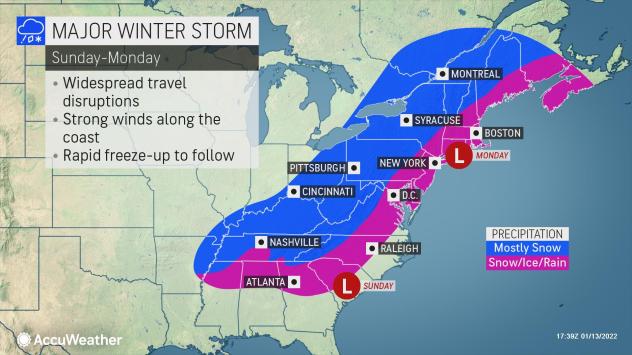
In the first round, which is expected to roll through Wednesday to Thursday, the system is set to drastically affect the interior portions of the Midwest and Great Lakes, before moving into parts of New England. Although the I-95 corridor seems to remain mostly untouched for now, the interplay between heavy snowfall in the Great Lakes region and a sudden surge of Arctic air is sure to bring unpredictable wind chills and rapidly falling temperatures. When you consider the nitty-gritty of such a forecast, the delicate balance between rain and snow becomes a mind-boggling puzzle—one that merits our close attention if not our admiration.
First Round Snowfall: Quick Bursts and Lingering Effects
The initial system, arriving later this week, hits the Midwest and Great Lakes with a burst of snow that is short and intense. Then, as it crosses into New England on Thursday, the snow lingers, adding extra layers to what some regions might see as an already heavy accumulation. While the heaviest snowfall may linger in areas immediately downwind of the heavy Great Lakes, the Appalachians could still experience decent accumulations. In many cases, for miles around, residents might expect anywhere from one to three inches of snow.
This first wave throws up several practical challenges:
- Road conditions: Quick bursts of heavy snow can catch commuters off guard.
- Travel delays: Even light snow combined with low temperatures can reduce visibility.
- Public safety: Falling temperatures and gusty winds can lead to dangerous wind chills.
When you look at these tricky parts, it’s clear that even a seemingly moderate snowfall isn’t just about putting a fresh layer of white on the ground—it’s about managing a full suite of complications that can affect everything from school bus schedules to grocery trips.
Second Round: The I-95 Corridor and Icy Road Realities
The second wave, which is slated to move in from Thursday through Saturday, adds another layer of complexity—especially for those at the I-95 corridor. This system is expected to start in the Midwest before pushing eastward. For those living in the Northeast, this means an additional chance of accumulating snow over the weekend. The heavy snowfall from both the first and second rounds might pile up quickly, making travel conditions not only confusing but downright nerve-racking.
This round carries several additional challenges:
- Double accumulations: Areas that were already blanketed by the first system may see even more snow on top.
- Icy patches: The lingering cold combined with new snowfall means that melting and refreezing cycles are more likely, potentially creating icy road conditions.
- Travel hazards: For commuters along the I-95 corridor and the inner parts of New England, planning a safe route becomes a task loaded with issues.
Even though weather models are still trying to figure a path for how much snow this second system will bring, the overall sign is clear. Drivers and outdoor enthusiasts alike are being reminded that this is a time for extra caution. As the day dips into the teens, 20s, or even low 30s in some places, the combination of snow, wind, and frigid temperatures creates a scenario that is as intimidating as it is awe-inspiring.
Third System: Reinforcing the Cold and Adding to the Slippery Challenges
As if the first two rounds weren’t enough, Mother Nature seems poised to deliver a third system at the end of the weekend. This late-breaking weather event could reinforce the already plummeting temperatures and add yet another round of snow to the regions that have been hard hit by the earlier waves. While the precise timing and accumulation amounts are still up in the air, experts forecast that some parts of the Great Lakes might receive as much as 18 inches of snow in total over the week, with wide-ranging areas potentially accumulating at least a foot of snow.
The additional snow from this third wave heightens concerns for several reasons:
- Reinforcing cold: Continuous cold air and continuous snowfall can leave roadways and sidewalks dangerously slippery.
- Extended travel disruptions: Evening and early morning commutes might face extended delays due to fresh snow combined with lingering winter storms.
- Outdoor planning: Those looking to enjoy winter sports or outdoor activities may face unexpected closures and treacherous conditions.
At its core, the scenario reminds us that winter weather is not a static environment. It’s a dynamic series of events that require us to be resilient and adaptive. The subtle parts—those little details like wind chill factor and moisture levels—can ultimately decide how safe or dangerous a situation becomes.
Travel Safety Insights: Figure a Path Through the Snow and Ice
As we navigate or, more accurately, figure a path through these challenging conditions, it is essential to weigh the risks of travel and outdoor activities. With weather forecasts signaling frigid temperatures and significant snow accumulations, the question is not just how the weather will look on a radar map but how it will affect our lives on the ground.
From a traveler’s perspective, a few key safety tips stand out:
- Keep a winter emergency kit in your vehicle, including extra food, water, blankets, and a first aid kit.
- Give yourself extra time to reach your destinations; driving in snowy conditions requires slower speeds and higher caution.
- Monitor local weather updates frequently to catch any last-minute changes in conditions.
- Adopt winter tires or chains if you live in areas that frequently experience heavy snowfall and icy roads.
- Consider postponing non-essential travel during periods of heavy snowfall and dangerous wind chills.
It is super important to understand that while these measures may seem overwhelming or even off-putting at times, they are crucial steps in staying safe during a week loaded with challenging weather conditions. By taking proactive steps, you can steer through the risks more confidently, even when conditions look intimidating.
Outdoor Recreation Amid Chilly Forecasts: Can Fun Coexist With Freezing Conditions?
Outdoor enthusiasts may find themselves caught in the middle of nature’s wintry drama. For many, the appeal of winter landscapes and snowy adventures is undeniable, yet the current forecasts remind us that even outdoor fun can become loaded with risks if we aren’t careful. Although the idea of playing in the snow or taking a brisk winter hike is enticing, it’s crucial to be mindful of the potential pitfalls.
Here are some tips for those planning outdoor activities this week:
- Dress in layers to manage sudden shifts in temperature. Multiple layers allow you to adjust to both the biting cold and moments of relative warmth.
- Check trail conditions before heading out. Many local parks update their websites with the latest information on snowfall and ice.
- Bring extra supplies such as water, high-energy snacks, and a portable phone charger in case of emergencies.
- Share your plans with someone who isn’t joining you so that someone knows your whereabouts.
- Consider low-impact activities like snowshoeing or winter photography if conditions seem too overwhelming.
For those who love indulging in winter sports, the current weather presents a mixed bag of opportunities and challenges. While fresh, powdery snow can be a dream come true for skiers and snowboarders, the unpredictability of the forecast calls for extra caution. Ski resorts and other recreational facilities in the affected areas are likely to be active and safe if proper precautions are taken, but always double-check updated weather advisories before making any plans.
The Hidden Complexity of Forecasting Winter Weather: Behind the Scenes
Behind every weather update and radar image lies a puzzle made up of fine points and subtle details that meteorologists continuously feed into their models. Despite the incredible technology and data available to them, predicting snow accumulation amounts and the exact timing of these systems can still be a nerve-racking process. The models are working through not only the literal temperature readings but also the hidden complexities of moisture levels, wind speeds, and geographical influences such as the Great Lakes and Appalachian topography.
A simplified table to illustrate the forecast details might look like this:
| Weather Round | Time Frame | Regions Affected | Expected Impact | Snow Accumulation (inches) |
|---|---|---|---|---|
| Round 1 | Wednesday – Thursday | Midwest, Great Lakes, Interior New England | Quick burst followed by lingering snowfall | 1 – 3 |
| Round 2 | Thursday – Saturday | Midwest, Great Lakes, Northeastern corridor | Additional snowfall with potential impacts on I-95 | Variable; possibly cumulative over prior totals |
| Round 3 | Sunday – Early Next Week | Great Lakes, Northeast, Appalachian regions | Reinforcement of cold with fresh accumulation | Up to 18 in select areas; at least 12 in widespread regions |
This table underscores the tangled issues that forecasters are contending with. Each stage of the forecast carries its own set of small distinctions—from the timing of the cold surge to the exact rate at which snow accumulates. It truly highlights that, in meteorology, every detail, however minor it might seem, can have significant implications for the public.
Seasonal Reflections: Balancing Winter’s Beauty With Practical Concerns
There is no doubt that winter has its own unique charm. The serene beauty of a snow-blanketed landscape inspires wonder and a sense of magic. However, behind this picturesque view lies a reality filled with tricky parts that must be managed carefully. During these times, it becomes essential to weigh our natural love for the season against the very real challenges it poses.
For instance, consider how the strong winds following the cold front can send frighteningly low wind chills. While a crisp winter morning might be enjoyable to some, when temperatures dip into the teens, 20s, or even lower in wind chill readings, the outdoors can become a hostile environment—especially for those with health vulnerabilities. It’s in these moments that the truly key considerations come into play, necessitating practical choices about whether to stay in or venture out.
Winter’s paradox lies in its dual nature. On one hand, it is the season that invites us to embrace outdoor activities such as hiking, skiing, and simply enjoying nature’s quiet beauty. On the other, it demands that we respect its power and complexity. The challenge is to balance the temptation of winter fun with necessary caution—a balancing act that many find nerve-racking but is ultimately super important for our safety and well-being.
The Economic and Logistical Implications: How Winter Weather Affects Communities
It isn’t just individual drivers or outdoor enthusiasts who must manage through these conditions; entire communities and local businesses are affected as well. Heavy snowfall and extreme cold can lead to school closures, delayed public transportation, and even disruptions in essential services. In small towns and urban centers alike, communities need to figure a path that minimizes disruptions while maximizing safety.
Local governments often face multiple layers of complicated pieces when preparing for severe weather, including:
- Snow removal resources and budgetary constraints
- Emergency response planning
- The coordination with local law enforcement to clear roadways and manage traffic
- Support for elderly residents and those with mobility issues
When municipalities face these challenges, the results can be unevenly distributed. Some areas might see quick responses thanks to robust infrastructure, while others might suffer from delays and limited resources. This disparity underscores the need for community-level preparedness and mutual aid networks during the winter months. It also highlights that, while weather forecasts provide us with heads-up information, it ultimately falls on each community to get around these layered problems with prompt, decisive action.
Planning Ahead: Preparing for Extended Winter Conditions
Given the forecast’s suggestion of extensive snowfall and dangerously low temperatures, planning ahead can help mitigate many of the unwanted surprises. The following strategies can help individuals, families, and local businesses cope with the coming winter onslaught:
- Stay Informed: Regularly check trusted weather updates and advisories from local authorities and meteorologists.
- Emergency Supplies: Ensure that you have enough non-perishable food, bottled water, medications, and essential supplies to last several days, should travel become risky.
- Vehicle Maintenance: Inspect your vehicle’s battery, tires, antifreeze, and heating system before taking long rides. Consider installing winter tires or chains if necessary.
- Home Preparations: Seal any drafts, ensure heating systems are operating effectively, and keep a backup source of energy if possible.
- Community Resources: Familiarize yourself with local shelters, warming centers, or community support programs that might be available during severe weather events.
Here is a simple table that outlines some key preparations and their benefits, providing a quick reference for those wanting to get organized:
| Preparation | Action Steps | Benefits |
|---|---|---|
| Staying Informed | Download weather apps and sign up for local alerts | Timely updates to adjust travel or work plans |
| Emergency Supplies | Stock up on food, water, medications, and batteries | Ensure safety during prolonged home stays |
| Vehicle Maintenance | Regular servicing, winter tires, antifreeze check | Reduce breakdown risks on icy roads |
| Home Preparations | Seal drafts, check heating systems, backup energy sources | Maintain indoor warmth, reduce energy costs |
| Community Resources | Document local emergency centers and contacts | Support vulnerable neighbors and self during crises |
These preparations not only help individuals manage the immediate risks of snowfall and cold temperatures but also contribute to a broader sense of community resilience during times when the weather is particularly overwhelming.
Embracing the Cold: Balancing Caution and Optimism
It is worth noting that while these weather events are intimidating—with snow piling up and temperatures plunging—there is also a beauty in the season’s raw power. The crisp air, the sound of fresh snow underfoot, and the quiet that blankets a winter landscape all speak to the magic of nature. However, it is crucial to balance this romantic picture with a realistic assessment of the risks involved. The current forecast is a blend of both awe and caution.
Many will agree that the winter season is a time to admire nature’s elegance, yet it is equally important to acknowledge and prepare for the practical challenges. The key is to remain balanced—celebrating the natural beauty while keeping a vigilant eye on safety. Recognizing that every snowfall brings both aesthetic pleasures and tactical issues can help us enjoy the season responsibly.
Understanding the Driving Challenges: Icy Roads and Wind Chill Survival
One cannot ignore the implications for drivers and commuters during this period. The combination of heavy snowfall, icy roads, and biting wind chills makes travel considerably more hazardous. For many, this environment demands extra caution and preparedness to ensure that everyone remains safe on the road.
Let’s break down some of the challenges for drivers into a concise list:
- Reduced Visibility: Snowfall and blowing wind can drastically cut down on what drivers see ahead.
- Icy Patches: Areas with mixed precipitation become slippery, leading to longer stopping distances.
- Wind Chill: The pervasive cold can affect vehicle performance and even freeze key components, such as door locks and wiper systems.
- Unexpected Road Closures: Accumulated snow and ice can lead to sudden road blockages or detours, requiring real-time navigation adjustments.
These challenges illustrate why it is super important to not only drive cautiously but also to consider postponing trips when conditions are particularly threatening. Advanced preparation and seasoned judgment can help smooth your journey through what might otherwise be a trying and slippery situation.
A Community Perspective: The Shared Experience of Braving Winter Weather
While it is easy to focus on the individual challenges of heavy snowfall and plunging temperatures, it is also enlightening to consider the broader community impact. From local businesses that rely on smooth transport networks to families trying to keep warm, everyone is touched by the outcomes of these wintry days. Cities and towns often have to figure a path through these complicated pieces of logistics, coordinating snow removal, emergency services, and public safety measures.
In many communities, a few key strategies have proven useful in managing through winter’s full-on challenges:
- Regular communication from local authorities about snow removal schedules.
- Neighborhood support networks, where residents check in on those who might need extra help.
- Coordinated public transportation adjustments to ensure that essential services continue to function.
- Community centers that serve as warming spots for those without reliable heating at home.
These shared efforts remind us that, while winter weather can be loaded with problems and sometimes even intimidating, relying on community support can help ease the burden. Working together to clear roads and share crucial information can significantly improve the overall resilience of a community during these chilly times.
Reflections on the Forecast: A Call for Preparedness Amid Uncertainty
The multitude of weather systems expected this week offers a striking reminder of nature’s might and our need for preparedness. Each system’s arrival brings its own set of unpredictable twists and turns—whether it’s a short burst of heavy snow, the cumulative effects of consecutive storms, or the sudden impact of reinforced cold air. Even as these events may seem overwhelming at times, there is a silver lining in that they prompt us to be better prepared, more cautious, and ever mindful of the balance between embracing winter’s beauty and protecting our well-being.
In my view, this forecast is a call to action. It encourages us to take extra steps in planning, whether that means adjusting travel plans, preparing emergency kits, or simply staying connected with local news and weather updates. When we recognize that each forecast update comes with its own set of little details, we are better equipped to respond to the challenges before us.
Looking Forward: How We Can Adapt and Thrive in Winter’s Grip
While the coming days are set to bring heavy snow and dangerously low temperatures, it’s also a moment to appreciate the resilience of our communities and the hardworking professionals who keep us safe during such times. From meteorologists interpreting the fine points of raw data to emergency services braving the cold to clear roads, every aspect of our society is pressed into service when winter shows its full force.
So, how can we adapt and even thrive when the weather turns so challenging? Here are some final thoughts to ponder:
- Flexible Plans: Whether you’re a driver, outdoor enthusiast, or family planner, build flexibility into your schedule. That might mean delaying a trip or adjusting outdoor plans to later in the day when conditions could improve.
- Leverage Technology: Use weather apps, track forecasts, and rely on updated alerts to stay informed in real time. Knowledge of the current conditions can empower you to make the best decisions quickly.
- Invest In Preparedness: Consider investing in both personal and community preparedness initiatives, such as winter car kits or neighborhood watch groups that check on the vulnerable.
- Stay Connected: Regularly communicate with family, friends, and neighbors. Sharing information can reduce the feeling of isolation and help construct a network of support during emergencies.
Ultimately, adapting to winter’s grip is about more than just enduring cold weather. It’s about recognizing the value of planning ahead, building community resilience, and appreciating the rare moments of beauty even amidst the twisting challenges of severe weather.
Conclusion: A Call to Embrace Caution and Community Spirit
As we stand on the brink of a week that promises to be full of both wonder and obstacles, it is off-putting not to acknowledge the potential hazards alongside the scenic beauty of fresh snowfall. The upcoming parade of snowy systems presents us with a stark reminder that nature, while breathtaking, can also be incredibly overwhelming. However, by embracing a mindset of readiness, community cooperation, and realistic acceptance of winter’s little twists, we can navigate these challenging moments safely and effectively.
Whether you’re a commuter trying to figure a path through treacherous icy roads, an outdoor enthusiast planning a quiet snowshoe hike, or a concerned parent planning for storm-related disruptions, remember that preparation is your best friend. Alertness to details, the adoption of practical safety measures, and the willingness to lean on your community can turn even the most intimidating winter scenarios into manageable—and sometimes even memorable—experiences.
The forecast may be calling for heavy snowfall, plunging temperatures, and wind chills that defy comfort, but it also calls for a deep sense of community responsibility and personal preparedness. Let us take this as an opportunity not only to admire the raw power of winter but also to arm ourselves with the knowledge, resources, and support needed to brave the coming days. In doing so, we transform a series of nerve-racking weather events into a powerful lesson in resilience and shared resolve.
Stay safe, stay informed, and let us all find the courage to enjoy the season—mindful of its challenges and appreciative of the community bonds that help us weather any storm.
Originally Post From https://weather.com/forecast/news/2026-01-12-snow-forecast-great-lakes-ohio-valley-northeast
Read more about this topic at
Wintry mix, possible snow in NYC this week: Here’s when
Probabilistic Winter Weather Forecasts