
Free Enterprise Roundtable in Northern Kentucky: A Turning Point for Local Growth
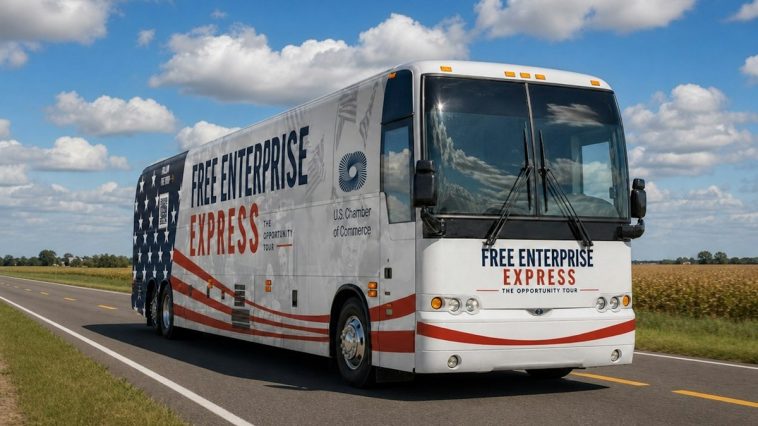
The U.S. Chamber of Commerce’s recent roundtable in Covington, KY, marked an intriguing moment for local businesses, public leaders, and community advocates alike. Hosted at the OneNKY Center and held in collaboration with the Northern Kentucky Chamber of Commerce, the meeting set out to discuss the free enterprise system and its impact on job growth and community prosperity. This free enterprise event, part of the national Free Enterprise Express Opportunity Tour, brought together business minds eager to address tricky parts of the modern economy, such as housing affordability, workforce challenges, and the tangled issues related to public-private partnerships.
With conversations that were both candid and respectful, this roundtable punctuated its discussions with insights on policy, iterative growth, and a desire to provide communities with the freedom to prosper. Business leaders offered a comprehensive perspective that shone a light on the oft-overlooked yet critical connection between policy and local prosperity.
Empowering Local Businesses Through Free Enterprise Initiatives
Events like the Free Enterprise Express Opportunity Tour are proving essential in creating an environment where local businesses can grow, invest, and generate opportunities. This tour was much more than a series of debates on national policy—it was a platform for local business owners and chamber leaders to converge and share sincere experiences about overcoming intimidating and nerve-racking regulatory issues. In reevaluating the state of American enterprise, participants discussed ways to bolster the free market system by addressing both big-picture and minute details in policy frameworks.
Widening the Circle: Inclusive Engagement in Local Economic Conversations
During the roundtable, it was clear that inclusive engagement is key. When business leaders, local chamber members, and even political candidates like Fourth Congressional District candidate Ed Gallrein come together, each participant contributes unique perspectives that can help steer through the twists and turns of local and national economic policymaking.
Here are some of the focal points that emerged during the session:
- Enhancing the local free enterprise environment to drive job creation and economic stability.
- Addressing workforce shortages and housing challenges that are making the path of growth a bit tangled.
- Discussing public-private partnerships that can smooth out permitting reforms and streamline business operations.
Such discussions are not only informative; they are vital in helping local stakeholders figure a path through the often intimidating policy maze. This kind of open dialogue shines a light on national trends while keeping the focus firmly on community-level challenges.
Addressing Housing Affordability and Workforce Challenges
One of the most pressing issues brought up during the roundtable was housing affordability. In today’s economy, finding quality, affordable housing near work remains a nerve-racking challenge for many. The cost of housing has escalated, creating a ripple effect that touches every corner of local communities—from workforce participation to transportation and beyond.
Understanding the Tangled Issues of Housing and Workforce Stability
Local business leaders underscored that its tricky interplay isn’t solely about supply and demand, but about the intricate pieces that tie workforce stability to housing affordability. Here are some of the points that were highlighted:
- Workforce Housing Initiatives: Efforts to boost workforce housing directly influence the stability of local talent pools.
- Public-Private Partnerships: These collaborations are seen as a way to address permitting reforms and ultimately ease the construction process, making new development less intimidating for investors.
- Transportation Solutions: Improved transit systems can mitigate the challenge by connecting affordable housing zones with burgeoning job centers.
By exploring each of these elements, the discussion helped clarify how deeply connected local economic drivers are. Understanding these subtle parts is a must-have for communities that wish to grow sustainably while providing citizens with quality living standards.
Bullet Points: Overcoming Housing Affordability Challenges
- Policy Reforms: Advocating for regulations that lower construction barriers and streamline permitting processes.
- Incentivized Developments: Offering tax incentives and grants to developers who build affordable housing units in key workforce areas.
- Enhanced Collaboration: Forging stronger ties between city officials, developers, and community organizations to pool resources and ideas in solving housing challenges.
The Crucial Role of Public-Private Partnerships
One might ask, “Why are public-private partnerships so significant in today’s economic landscape?” The answer lies in the ability of these alliances to unlock opportunities that neither government entities nor private companies could manage on their own. By working together, these partners tackle confusing bits of local policy, streamline administrative procedures, and ensure that communities have what they need to thrive.
Exploring the Benefits of Effective Collaboration
Public-private partnerships are emerging as a cornerstone for modern economic growth. Several benefits include:
- Streamlined Processes: Joint initiatives help cut through the red tape that can otherwise stall vital projects.
- Risk Sharing: By distributing the nerve-racking weight of financial risks, both sectors can invest with greater confidence.
- Enhanced Accountability: When businesses and government work side by side, transparency is improved, and every stakeholder is held to a higher standard.
These collaborative efforts are not without their challenges. There are still tangled issues to manage, such as bridging the gap between regulatory requirements and commercial innovation. However, rounds of constructive dialogue are paving the way for better-managed public resources and more business-friendly environments.
Table: Key Areas Addressed by Public-Private Partnerships
| Area of Focus | Benefits | Addressed Challenges |
|---|---|---|
| Infrastructure Development | Improved transportation and utility services | Overcoming local disturbances in permitting processes |
| Housing & Workforce | Adds affordable housing units and helps maintain stable communities | Mitigates rising housing costs and workforce shortages |
| Regulatory Innovations | Simplifies business operations through streamlined approvals | Handles the nerve-racking red tape affecting business expansions |
Community Conversations: Shaping Pro-Growth Policies Through Dialogue
The roundtable in Northern Kentucky also served as a unique forum for community leaders to hash out the fine points of local economic challenges. When local voices are integrated into national discussions, policy makers get a first-hand account of the small distinctions that separate struggling areas from thriving hubs.
Building a Pro-Growth Environment
Community conversations are the backbone of any successful growth strategy. In this session, participants agreed that ensuring a critical balance between business interests and local needs is essential. Conversations like these help to bring out the hidden complexities of everyday challenges—making them far less overwhelming and more manageable through clear-eyed discussions.
One of the key takeaways was the realization that while the task of creating a robust free enterprise system might seem intimidating at first, breaking down the challenges into manageable pieces can have a transformative effect. Local enterprises not only need to push for favorable policies from a distance, but they are also in the best position to influence immediate change by sharing their experiences.
Key Discussion Points from Community Leaders
- Immediate Policy Targets: Focusing on reforming local zoning laws and updating outdated building codes to stimulate economic growth.
- Workforce Development: Investing in training and education to prepare local talent for evolving job markets.
- Regional Connectivity: Enhancing transportation networks to bridge the gap between where people live and where jobs are available.
- Local Investment: Encouraging reinvestment in community infrastructure to spur job creation and stability.
These points underscore that when small business owners, chambers of commerce, and political representatives unite for a common cause, the compounded effect can make even the most intimidating challenges more approachable.
Policy Reforms: Finding a Path Through Regulatory Hurdles
One area that consistently came up during the roundtable was the need for critical policy changes. These are not about grand, sweeping reforms overnight but about addressing each complicated piece of the regulatory puzzle, one step at a time. Leaders at the session echoed the sentiment that though the regulatory landscape may seem loaded with issues at times, a systematic, step-by-step approach can help make the journey considerably smoother.
Sorting Out Policy Issues One Step at a Time
There are several tricky parts to reforming policies that affect business growth. Let’s take a closer look at some of these areas:
- Permitting Reforms: Simplifying the local planning and permitting process can pave the way for more affordable housing and commercial development. These reforms can help reduce delays that are often nerve-racking for developers.
- Tax Incentives: Ensuring that local businesses have access to competitive and pro-growth tax policies is essential for their survival and expansion.
- Employee Incentives: Adjusting labor laws to be more flexible while safeguarding worker rights can help businesses find their way through uncertainties in workforce management.
Each of these areas holds the potential to catalyze change. While there are understandably scary twists and turns involved, breaking down the challenges into their subtle details makes the task far less overwhelming.
Bridging the Divide: How Local Chambers Work With National Organizations
One core strength of the U.S. Chamber of Commerce is its capacity to bridge the divide between local and national interests. The Northern Kentucky Chamber of Commerce’s active involvement in the Free Enterprise Express Opportunity Tour is an example of how local chambers are taking the wheel in shaping national debates on economic policy. Their close relationship with local businesses ensures that the intricate, day-to-day challenges faced by entrepreneurs are well represented in larger policy discussions.
Benefits of Local and National Collaboration
When local chambers work hand in hand with national organizations, several key benefits emerge:
- Policy Representation: Local concerns are channeled into national platforms, ensuring that pro-growth policies reflect on-the-ground realities.
- Resource Sharing: National organizations provide access to expertise and resources that may not be available locally, smoothing the path for addressing tricky parts of economic growth.
- Unified Voice: A collective front can advocate for changes that benefit broader citizen groups, making the fight for free enterprise less intimidating and more effective.
This win-win collaboration showcases the power of a united approach, one that is essential when dealing with the overwhelming task of policy reform amid ever-evolving market demands.
Learning from Firsthand Experiences: Perspectives from Local Business Leaders
While policy frameworks and regulatory reforms provide the backbone for economic stability, it is the firsthand experiences of local business leaders that add vibrant color to this discussion. Speaking openly about their successes, challenges, and future expectations, these stakeholders delivered insights that resonated with both optimism and realism.
Candid Insights: What Local Business Leaders Said
Several notable insights emerged from the roundtable conversations:
- Job Creation: When businesses thrive, job growth follows. Leaders emphasized that easing the little details of permitting and enhancing local tax policies can result in a more robust job market.
- Long-Term Investments: Local economies are on the cusp of transformation when businesses invest in their communities. This investment is key to overcoming workforce and housing challenges that may seem overwhelming at first glance.
- Community Resilience: Despite facing nerve-racking economic conditions, local enterprises are known for their resilience. Business leaders call for continuous dialogue and collaboration between the private and public sectors.
By extrapolating these insights into actionable strategies, both policymakers and business leaders can work together to steer through the confusing bits of modern governance. The conversation at the roundtable underscored that small shifts at the local level can have a substantial national impact, especially when it comes to stimulating job growth and enhancing the overall quality of life.
Taking the Wheel: How the Free Enterprise Express Opportunity Tour Inspires Future Initiatives
The Free Enterprise Express Opportunity Tour isn’t simply a series of stop-and-go meetings. It is, in fact, a dynamic platform that nudges communities to reimagine their local economies and find innovative ways to tackle persistent challenges. As the bus travels from state to state, each smile, each conversation, and each shared success story contributes to a collective blueprint for future growth.
Innovative Ideas for Tackling Workforce and Housing Challenges
The tour encourages a spirit of continuous improvement where every community can learn from the successes and struggles of its peers. Here are some innovative ideas that were exchanged during the event:
- Customized Local Incentives: Tailoring tax benefits and other incentives to the specific needs of local communities can help defuse some of the nerve-racking administrative hurdles.
- Digital Platforms for Resource Management: Leveraging technology to create streamlined processes for business permits, zoning laws, and community planning can help figure a path through the most intimidating regulatory mazes.
- Collaborative Community Hubs: Creating local centers that encourage dialogue and share vital information between business owners, local governments, and residents can foster a more unified approach to tackling the subtle parts of economic hurdles.
Each of these ideas was reflective of the tour’s deeper objective: empowering local stakeholders to take proactive steps against the intimidating, tangled issues of modern urban and rural development. The tour has thus established itself as a critical resource for sparking partnerships that could usher in a new era of local business prosperity.
The Bigger Picture: Free Enterprise as a Catalyst for National Economic Resilience
The event in Northern Kentucky is just one snapshot of a broader, national conversation about preserving, defending, and promoting free enterprise in America. In many ways, the roundtable underscored that every small town, every local chamber meeting, and every business owner’s story contributes to the larger narrative of American economic resilience.
How Local Actions Impact National Policies
Every time stakeholders come together to discuss the nitty-gritty of workforce housing, tax reforms, or even the specific benefits of public-private partnerships, they contribute to refining the small distinctions that matter in national policymaking. Through these community-driven initiatives, a robust and competitive economic system is built—one that values local ingenuity while remaining flexible on a national scale.
Here are some summarized components that illustrate how local actions lead to national benefits:
- Job Growth: When local businesses are free to innovate and expand, they create jobs that ripple across the economy.
- Sustainable Development: Addressing local challenges, such as housing and transportation, ensures that national progress does not come at the expense of community well-being.
- Policy Innovation: Real-world insights drive policy adjustments that make the overall framework less intimidating and full of opportunities for all.
Policy makers who listen to these local narratives can tailor broader reforms that encourage growth without neglecting the confusing bits and nerve-racking hurdles faced by community stakeholders.
Future Outlook: Charting a Course Through Challenging Economic Landscapes
Looking ahead, the insights gathered during the roundtable provide a roadmap for a future where free enterprise isn’t just a catchphrase but a living, breathing system that benefits everyone. The discussions illustrate that while the road ahead is full of complicated pieces—and sometimes overwhelming challenges—there is always a way to get into the details, dissolve the tangled issues, and build environments that are supportive of both business and community growth.
Steps for a More Vibrant Economic Future
Based on the dialogue in Northern Kentucky, here are a few recommended steps to consider moving forward:
- Expand Dialogue: Encourage ongoing community roundtables that allow local businesses to share experiences and propose solutions on a regular basis.
- Enhance Public-Private Collaborations: Create platforms where government officials and private sector leaders regularly review and update policies that affect economic growth.
- Focus on Workforce Development: Invest in education and training programs that prepare local labor markets for emerging industries, ensuring that the workforce can keep pace with technological and economic changes.
- Modernize Infrastructure: Prioritize projects that improve regional transportation networks and utility services, thereby supporting both local land use and long-term economic sustainability.
These initiatives can pave the way for a future where free enterprise continues to be the engine driving local and national prosperity. They also stand as a testament to the power of collaboration across different sectors, ultimately helping communities steer through the nerve-wracking twists and turns of an ever-changing economic landscape.
Conclusion: The Future of Free Enterprise and Local Economic Resilience
In a time where many aspects of life appear overwhelming, the free enterprise roundtable in Northern Kentucky has reaffirmed a commitment to growth that is both market-driven and future-focused. By bringing together business leaders, local chambers, and public officials, the event has set in motion a dialogue that has the potential to break down the confusing bits of policy and economic strategy into actionable, community-centered steps.
From clarifying the heavy details of workforce housing challenges to outlining the benefits of public-private partnerships, every conversation was a building block toward a shared vision of economic resilience. The meeting reiterated that while the journey through today’s economic landscapes is loaded with issues, working side by side can transform intimidating regulatory hurdles into opportunities for innovation, job creation, and overall community improvement.
As we watch the Free Enterprise Express Opportunity Tour travel across key states, it invites us to look at the bigger picture—a picture where local efforts and national policy are not at odds but rather intertwined in the shared mission of fostering a vibrant, competitive economy. Through open dialogue, targeted policy reforms, and robust collaboration, stakeholders are finding their way to a future where everyone benefits from a free enterprise system that is as supportive as it is dynamic.
This meeting in Covington, KY, stands as a clear reminder that change often starts at the grassroots level. By making their way through the challenging twists and turns with grit and perseverance, local business leaders and chamber officials are helping to build a resilient economy that champions the spirit of innovation and mutual support.
In the end, the free enterprise roundtable is more than just an event—it is a call to action for every community in America. It’s a reminder that when voices come together in thoughtful discussion, even the trickiest parts of economic policy can be disassembled and reassembled into frameworks that help our communities thrive. With continued advocacy, collaboration, and a willingness to face the nerve-wracking challenges head-on, the future of free enterprise looks not only promising but also distinctly achievable.
As this ambitious initiative continues to spread its message across the nation, communities will have the opportunity to ride a wave of positive change. The ongoing journey of the Free Enterprise Express Opportunity Tour reminds us that local ideas, when backed by national support, can help untangle the complicated pieces of today’s economy. Ultimately, this collaborative spirit will continue to fuel job growth, inspire innovation, and foster a pro-growth environment that benefits everyone.
The conversation may be ongoing, and the journey may at times seem intimidating, but one thing remains crystal clear: free enterprise is alive and well in communities like Northern Kentucky—ready to rise to new heights with every roundtable discussion and every strategic partnership formed along the way.
Originally Post From https://www.uschamber.com/economy/u-s-chamber-hosts-free-enterprise-roundtable-with-the-northern-kentucky-chamber-of-commerce-as-part-of-the-free-enterprise-express-opportunity-tour
Read more about this topic at
Protecting Businesses’ Ability to Operate Freely and Profitably
Bold Proposals for Protecting the Free-Enterprise System …